
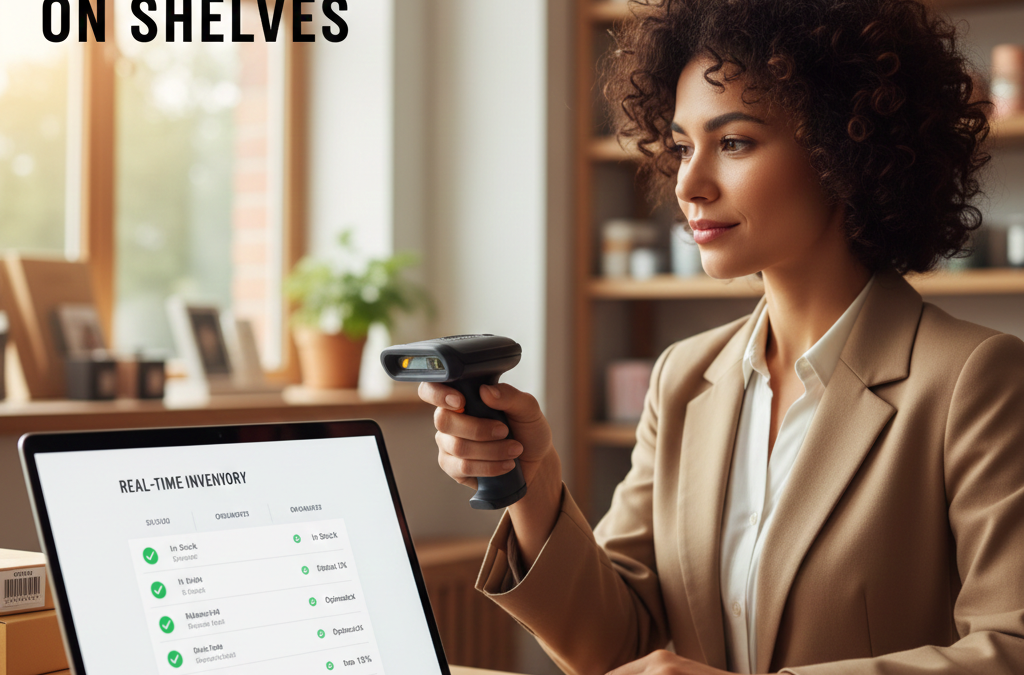
Stop Losing Money on Shelves: How Real-Time Inventory Tracking Boosts Your Bottom Line
For many small businesses, inventory isn’t just stock; it’s a significant chunk of your working capital sitting on shelves. If you’re managing inventory with spreadsheets, guesswork, or infrequent manual counts, you’re almost certainly losing money.
The good news? The days of complex, enterprise-level inventory systems being out of reach for small businesses are over. Modern, cloud-based inventory tracking offers real-time visibility that can profoundly impact your profitability.
The Silent Bleed: How Poor Inventory Management Drains Your Profits
Before we dive into solutions, let’s identify the hidden costs of inefficient inventory:
Overstocking (Capital Tied Up): Every extra unit sitting in your storeroom is cash you can’t use for marketing, employee bonuses, or other investments. It also costs you in storage space, insurance, and potential obsolescence.
Understocking (Lost Sales & Customer Dissatisfaction): Running out of popular items means lost sales, frustrated customers who might go to a competitor, and a damaged reputation.
Spoilage & Obsolescence: For perishable goods or fast-changing trends, old inventory often becomes unsellable, resulting in a 100% loss.
Shrinkage (Theft & Damage): Without accurate tracking, it’s hard to identify when items go missing due to theft, misplacement, or damage, leading to unaccounted losses.
Inefficient Ordering: Guessing what to reorder often leads to rushed, expensive last-minute shipments or excessive quantities of slow-moving items.
The Power of Real-Time: What It Means for Your Business
Real-time inventory tracking means knowing exactly what you have, where it is, and its status right now. This isn’t just about counting units; it’s about making smarter business decisions.
Here’s how it transforms your operations:
Optimized Stock Levels:
No More Guesswork: Analytics can predict demand based on historical sales, seasonality, and trends, ensuring you order just enough to meet demand without excessive surplus.
Reduced Carrying Costs: Free up capital tied up in excess stock. This means lower storage costs and better cash flow.
Preventing Stockouts and Maximizing Sales:
Automated Alerts: Set up alerts for low stock levels so you can reorder before you run out, preventing lost sales and keeping customers happy.
Cross-Channel Consistency: If you sell online and in-store, real-time tracking ensures both channels show accurate availability, preventing overselling or disappointing online customers.
Enhanced Operational Efficiency:
Faster Order Fulfillment: Quickly locate items in your warehouse or store to speed up picking and packing.
Simplified Audits: Regular inventory counts become quicker and more accurate when you have a precise starting point.
Identifying Discrepancies: Easily spot missing or misplaced items, helping you pinpoint areas of loss due to shrinkage or operational errors.
Smarter Purchasing and Supplier Relationships:
Data-Driven Ordering: Leverage reports to identify which items are fast movers and which are slow movers, allowing you to negotiate better deals with suppliers for high-volume items and avoid getting stuck with duds.
Improved Vendor Management: Track supplier performance, lead times, and quality to inform your purchasing decisions.
Making the Transition: Getting Started with Real-Time Inventory
Choose the Right Software: Look for cloud-based inventory management systems that integrate with your existing accounting software (such as QuickBooks or Xero) and, if applicable, with your POS or e-commerce platform. Popular options include Cin7, Zoho Inventory, Dear Systems, or even advanced features within QuickBooks Commerce.
Conduct an Initial Audit: Do one thorough physical inventory count to establish your baseline. This is crucial for accurate setup.
Implement Barcoding/SKU System: If you don’t have one, create a consistent SKU (Stock Keeping Unit) system. Many systems integrate with barcode scanners to enable quick, accurate updates.
Train Your Team: Ensure everyone involved in receiving, selling, or moving stock understands how to use the new system. Consistency is key.
Start Small, Then Scale: Begin with your most critical or highest-volume items. Once comfortable, expand to your entire inventory.
Don’t let your inventory be an invisible drain on your profits. By embracing real-time inventory tracking, you gain powerful insights to optimize stock, satisfy customers, and ultimately put more money back into your business where it belongs.
“We’ve confidently referred businesses to them, and the feedback has been unanimously positive.”
– Mike Doherty: Founder, Understanding eCommerce.
Follow us on LinkedIn – Zumifi.